

Why are some rooms hot and humid?
A useful plan starts by documenting when and where the condition appears, then separates safe observations from measurements that require a qualified professional.

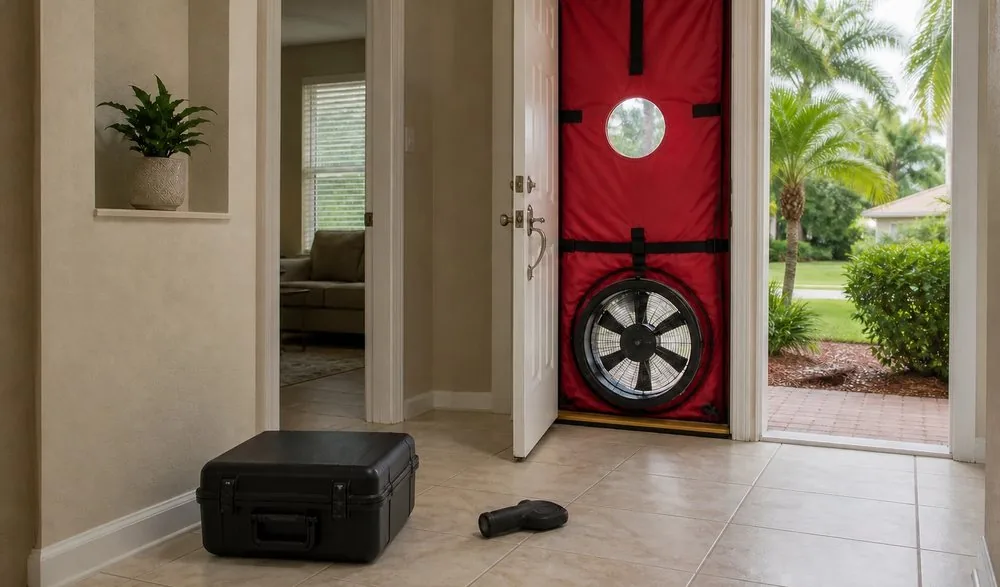
A room that stays hot or humid can have several interacting causes. Solar exposure, air leakage, missing insulation, duct losses, restricted return airflow, equipment operation and indoor moisture loads can produce similar symptoms. A useful plan starts by documenting when and where the condition appears, then separates safe observations from measurements that require a qualified professional.
Por BetterPowered
Record the pattern before choosing a product
Note the time of day, indoor temperature and humidity, thermostat setting, door position, weather, occupancy and whether the HVAC system is running. Compare the affected room with a nearby room instead of relying on a single reading. This creates a repeatable symptom record and helps an assessor distinguish a solar or enclosure pattern from a distribution or moisture-control problem.
Check moisture sources and drainage first
Look for active leaks, wet materials, blocked condensate drainage and exhaust fans that do not discharge outdoors. EPA emphasizes that moisture control is central to indoor-air quality and that energy work should not proceed without considering ventilation and existing moisture conditions. Drying or repairing a water source is a different task from changing insulation or air-conditioning equipment.
Treat airflow, enclosure and equipment as one system
A professional assessment may inspect accessible ducts, insulation, air leakage, mechanical systems and ventilation, and may use diagnostic equipment where appropriate. A larger air conditioner is not a universal answer: without measurements, it can leave the original duct, enclosure or moisture cause unresolved. Ask for findings that connect each recommended action to an observed condition.
Define the next on-site test
Use the symptom record to decide what an on-site professional should measure: room-to-room temperature and humidity, airflow or pressure, duct leakage, whole-house leakage, surface temperatures, condensate performance or equipment operation. BetterPowered can organize this sequence into a preliminary property plan, but it cannot diagnose refrigerant, electrical, microbial or concealed building conditions remotely.
Sources and methodology
- Consumer Guide to Home Energy Assessments — U.S. Department of Energy · Information checked 2026-08-14
- Protect Indoor Air Quality in Your Home — U.S. Environmental Protection Agency · Information checked 2026-08-14
- BetterPowered preliminary property planning — BetterPowered · Information checked 2026-08-14
Get my free preliminary plan
Turn the symptom record into a practical sequence of questions before comparing repairs or replacement proposals.