Start with the charging requirement, not a panel-upgrade assumption
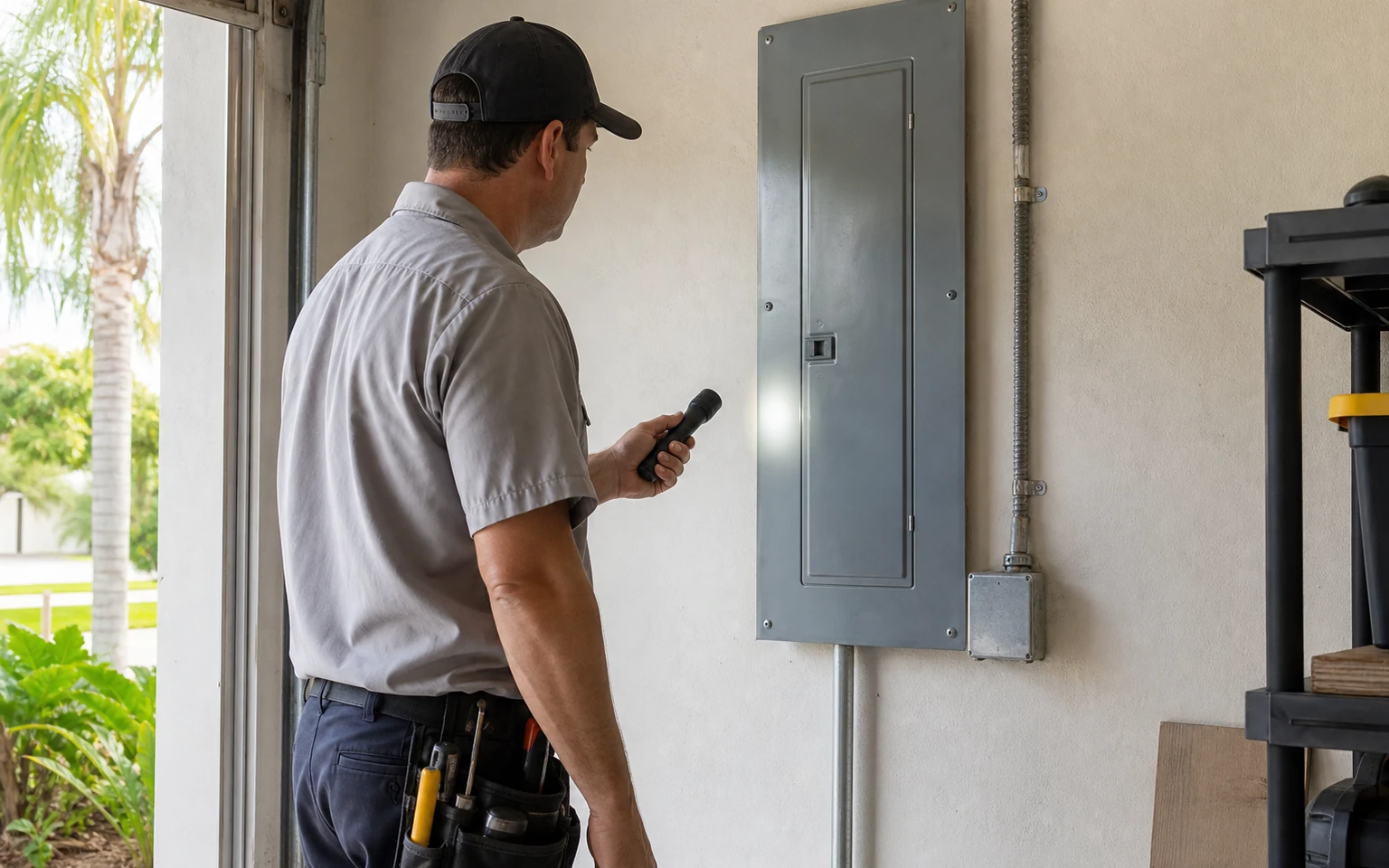
An electrical panel assessment before EV charger installation should answer a defined question: can this property safely support the charging equipment and operating setting being considered, under the code and permit rules that apply here? It should not begin with “the panel looks full” or “the service number sounds large enough.”
Before the visit, record the vehicle model, the charging equipment under consideration, the manufacturer's input specifications, the intended parking location and the charging pattern you actually need. The U.S. Department of Energy's home-charging guidance distinguishes Level 1 from Level 2 equipment and recommends consulting vehicle-manufacturer guidance before buying equipment or electrical services. Choosing the requirement first gives the electrician a real load and installation path to evaluate.
Do not buy a charger solely because its maximum output is higher. The usable setting must fit the vehicle, the listed equipment, the branch circuit, the service calculation and the approved installation. This checklist does not select that setting; it helps you obtain a documented professional decision.
Homeowner checklist before the electrician arrives
- **Keep the panel closed.** Photograph only the accessible exterior, note where it is located and leave cover removal and internal inspection to the electrical professional.
- **Collect the proposed equipment specifications.** Bring the manufacturer installation document or product data that identifies the electrical input and permitted configuration. A marketing name is not enough.
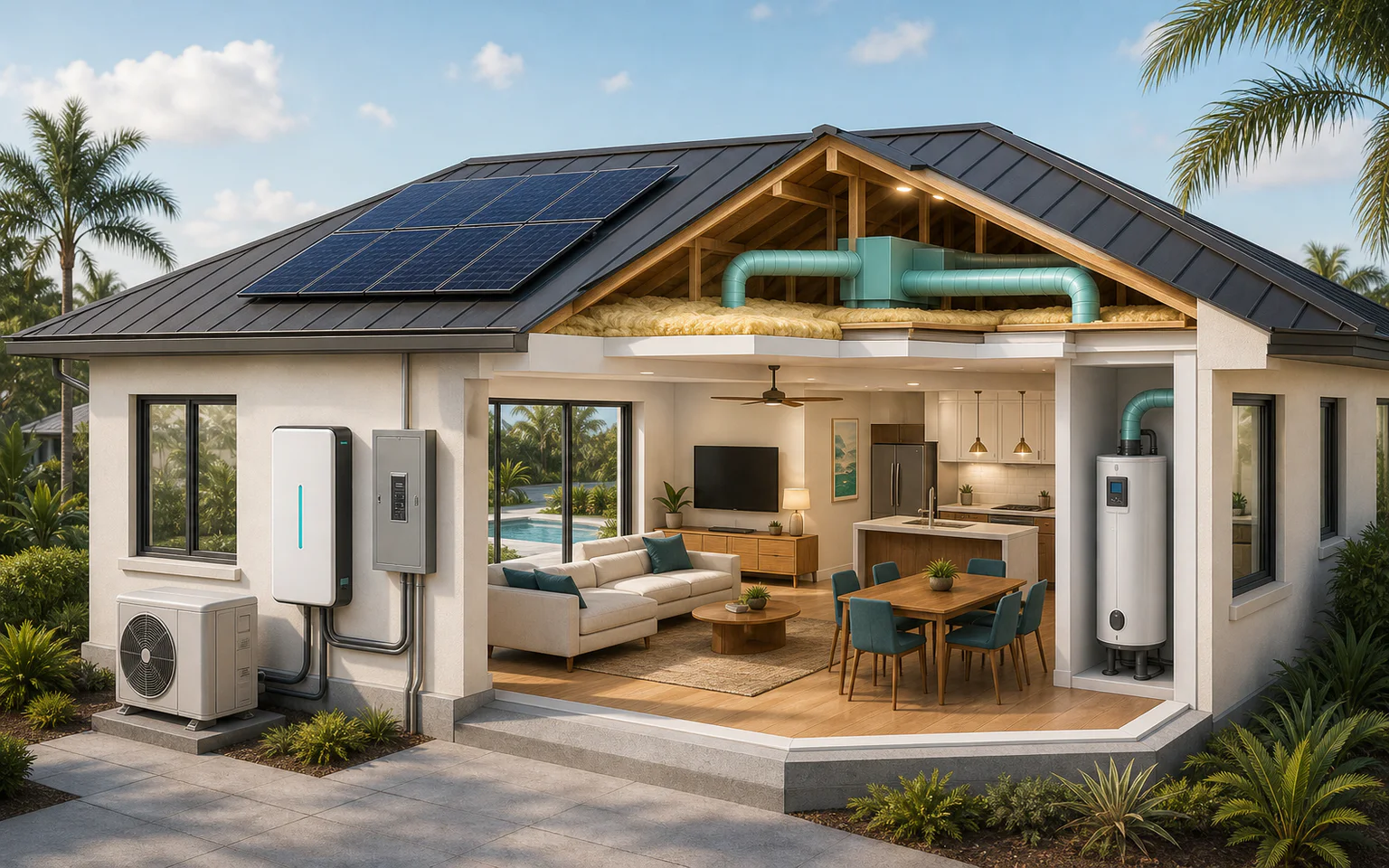
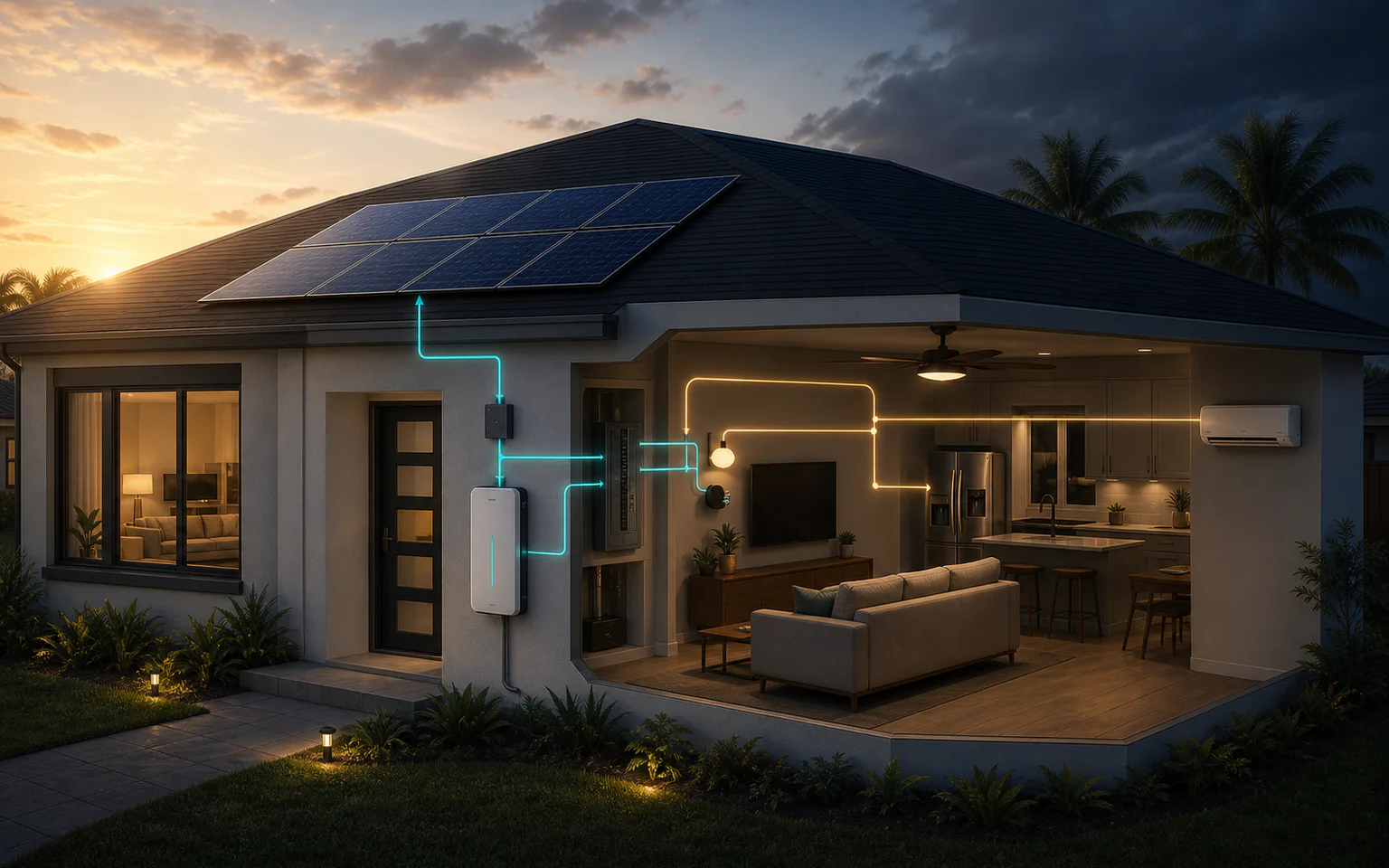
- **List existing and planned major electric loads.** Include cooling and heating equipment, water heating, cooking, laundry, pool or spa equipment, workshops, solar or battery equipment, and other vehicle charging. ENERGY STAR advises reviewing both panel capacity and the electric appliances you plan to add with a licensed electrician.
- **Describe recent electrical work.** Share permits, inspection records or invoices you already possess for panel, service, solar, battery or generator changes. Do not guess if records are unavailable.
- **Map the parking location.** Show where the vehicle inlet will sit, whether the equipment would be indoors or outdoors, and the practical route between the panel and charging location. DOE notes that outdoor installations require outdoor-rated equipment and that local installation rules still apply.
- **State future plans.** If another EV, heat-pump water heater, HVAC change, induction range, solar array or battery is reasonably planned, mention it. The assessment can then distinguish today's installation from future capacity planning without promising either one.
Require a load assessment, not a glance at empty breaker spaces
Physical space for a breaker and electrical capacity are different questions. The DOE's handbook for electrical contractors says that an open slot in a panel is not evidence of adequate service and calls for a site assessment and load calculation to make the determination. A full-looking panel does not, by itself, prove a service upgrade is required either.
Ask the electrician to document:
1. the service and panel information verified on site; 2. the applicable load-calculation method and inputs; 3. the charging equipment's proposed operating load; 4. the existing loads included in the calculation; 5. whether the panel has a compliant circuit position and rating for the proposed design; 6. whether upstream service or utility-owned equipment needs separate review; and 7. the conclusion for the exact configuration being proposed.
An electric bill can help explain household energy use over time, but it is not a substitute for this electrical calculation. If you are also investigating usage, keep that task separate with How to read twelve months of electric bills before upgrading.
Treat EV charging as the sustained load the code recognizes
DOE states that EV charging infrastructure is considered a continuous load by the National Electrical Code and points installers to Article 625 for most charging-equipment provisions. That is why the evaluation cannot be reduced to matching a charger's advertised number to an empty breaker space. The electrician must apply the adopted code to the service, feeder, branch circuit, wiring method, overcurrent protection, equipment instructions and installation environment as a connected design.
Ask which code edition and local amendments the authority having jurisdiction will enforce for this permit. The answer may depend on location and timing; do not copy a circuit size or installation detail from another home or an online example.
Settle permits and inspection before work starts
The DOE home-charging page says charging installations must comply with local and state rules, appropriate permits may be required, and many jurisdictions require a site installation plan before work. Contact the local building or permitting authority—or require the contractor to identify it in writing—to confirm:
- who will obtain the permit;
- what drawings, load calculation or equipment documents must accompany it;
- whether utility coordination is required;
- which inspections must occur before the charger is used; and
- what approved permit and inspection records you will receive at closeout.
Permit requirements are jurisdiction-specific. A statement that another municipality did not require a particular document does not establish the rule for this property.
Verify the electrical contractor in Florida
For a Florida property, do more than ask whether the company is “licensed.” The Florida Department of Business and Professional Regulation explains that an electrical business must be qualified by a properly licensed individual contractor. DBPR provides searches by license number, individual name and business name, and recommends verifying the relationship between the individual license and the business entity.
Record the contractor's license number, the business name shown in the state record, permit responsibility and insurance information. Licensing establishes legal qualification; it does not replace the project-specific calculation, equipment review, permit or inspection.
If the first design does not fit, compare documented alternatives
Insufficient calculated capacity for one proposed configuration does not tell you which alternative will be approved. The DOE contractor handbook's planning flow compares acceptable load-sharing options with a utility service upgrade, while also considering the present service, circuit, site plan, permit and final inspection. Ask the electrician to compare only options that are listed, compatible with the vehicle and charging equipment, and permitted by the authority having jurisdiction.
Possible paths for professional evaluation can include a different approved charging setting or equipment choice, an applicable listed load-management approach, circuit or panel work, or a service change. None is guaranteed to fit this property. Require the written scope to state the selected option, assumptions, code basis, utility dependency and what would invalidate the design.
The written go/no-go record
Do not authorize installation until the file contains:
- the exact charging equipment and configured load;
- the completed site assessment and load-calculation conclusion;
- the proposed circuit and wiring scope;
- the panel and service decision, including any utility dependency;
- the charger location and indoor/outdoor rating requirement;
- the contractor and qualifying license information;
- the permit authority, application responsibility and required inspections; and
- a closeout list for approved permit, inspection and commissioning records.
End with one explicit result: **approved to proceed as designed**, **revise and recalculate**, or **not supported without additional work**. That result applies only to the documented design. It is not a promise of charging speed, project cost, energy savings or future capacity.
Place this decision inside the broader sequence in A whole-property upgrade plan: what to fix first. If solar or storage is also planned, coordinate the assumptions before sizing with Solar and battery after efficiency: what should you size?. The safe order is simple: define the load, inspect the property, calculate, confirm the code and permit path, choose a supported design, install through qualified work, and close out the inspection.
Use this answer in a whole-property plan
Connect this topic to the planning hub, the primary decision page and the evidence standard that governs the next step.
- Planning hubWhole-home upgrade planning
- Primary decision pageEnergy advisory services
- Methodology and standardsHow BetterPowered uses illustrative scenarios
- Methodology and standardsBetterPowered Contractor Standard
Primary sources
Claims in this article were reviewed against these government and primary sources.
- 01 Charging Electric Vehicles at HomeU.S. Department of Energy Alternative Fuels Data Center · August 13, 2026
- 02 Plug-In Electric Vehicle Handbook for Electrical ContractorsU.S. Department of Energy Alternative Fuels Data Center · August 13, 2026
- 03 Make Your Home Electric ReadyENERGY STAR · August 13, 2026
- 04 Electrical Contractors — Business InformationFlorida Department of Business and Professional Regulation · August 13, 2026