A home is one operating system
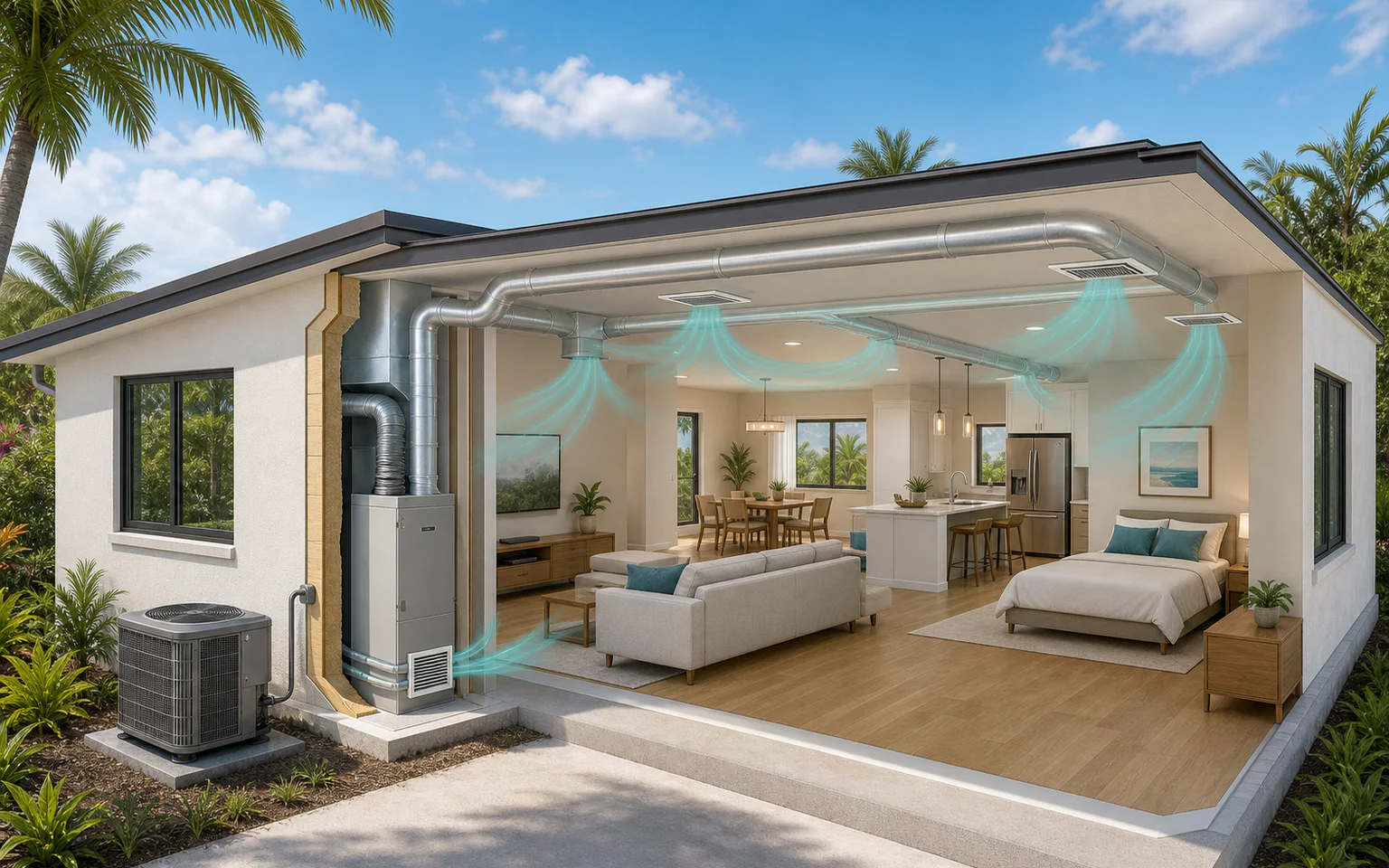
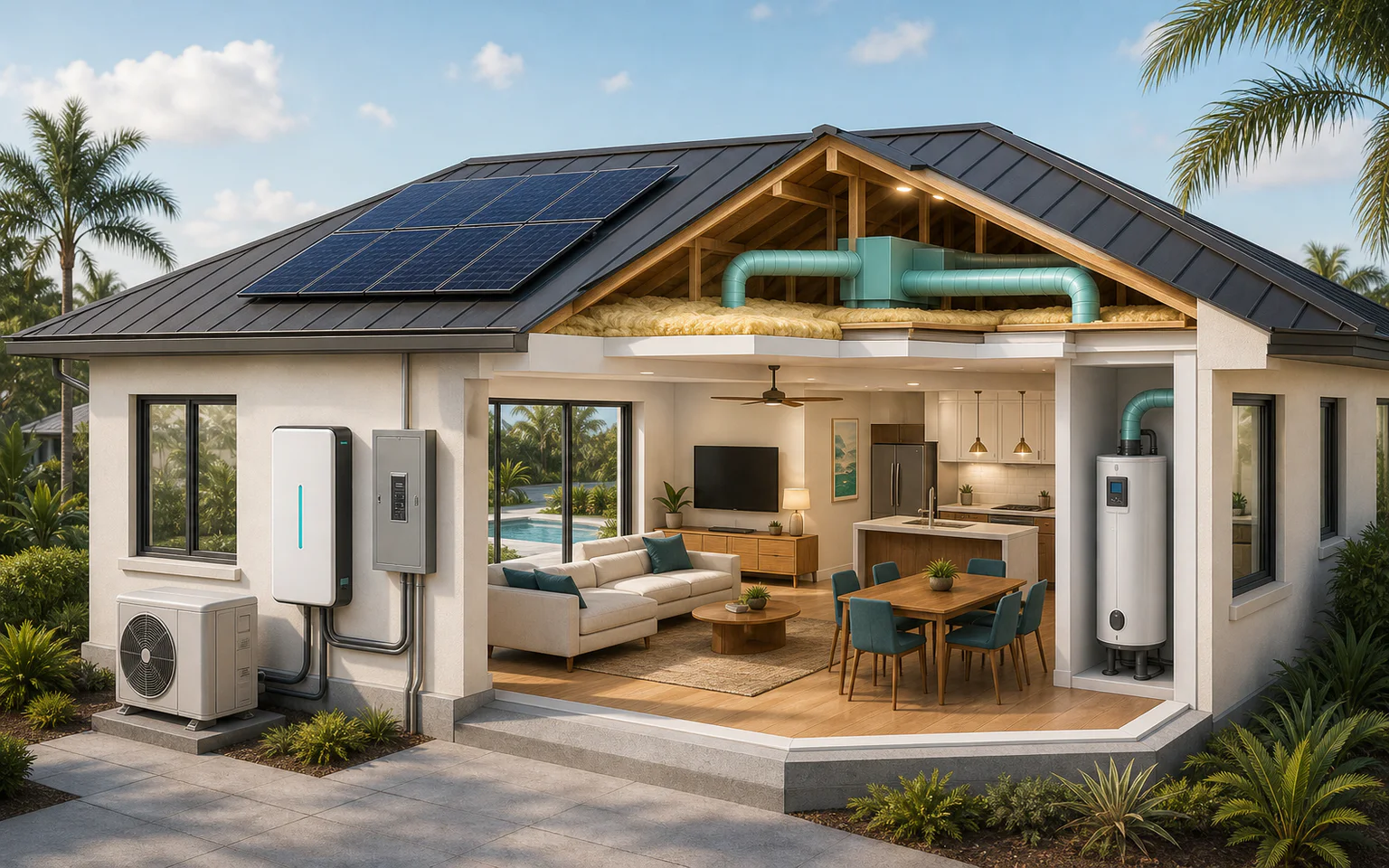
The roof keeps water out and carries solar. The envelope controls heat, air and moisture. Ducts distribute conditioned air. HVAC responds to the load that the roof, windows, insulation, leakage, occupants and appliances create. The electrical service limits which new loads can be connected. Solar and storage sit on top of all of those decisions.
Treating each system as a separate sale hides these dependencies. A whole-property plan makes them visible before contracts are signed.
Begin with constraints and failures
Safety, active water intrusion, failed equipment and code-required work come first. A roof leak should not wait for an efficiency project. An unsafe electrical panel should not be treated as a minor add-on to an EV charger. If the air conditioner has failed during extreme heat, restoring safe operation may outrank a longer assessment.
After urgent items, document the property: equipment age and condition, roof history, electrical capacity, duct location, insulation, comfort complaints, humidity, twelve months of bills and planned changes such as an EV or addition. Mark each fact as observed, owner-reported, estimated or verified. That distinction prevents an attractive assumption from becoming a design input without evidence.
Reduce the load before sizing around it
Air sealing, insulation, duct repair and solar-control measures can change the cooling load. ENERGY STAR’s whole-home guidance places assessment and key envelope or duct improvements before final equipment and renewable-energy decisions. That does not mean every home must complete every envelope measure before replacing HVAC. It means the contractor should account for confirmed or committed changes when sizing the new system.
The same logic applies to solar. If efficiency work will reduce annual electricity use, sizing an array from the old load may buy more capacity than the future property needs. If an EV, heat-pump water heater or electrification project will add load, ignoring it may undersize the system.
Coordinate roof, solar and storage
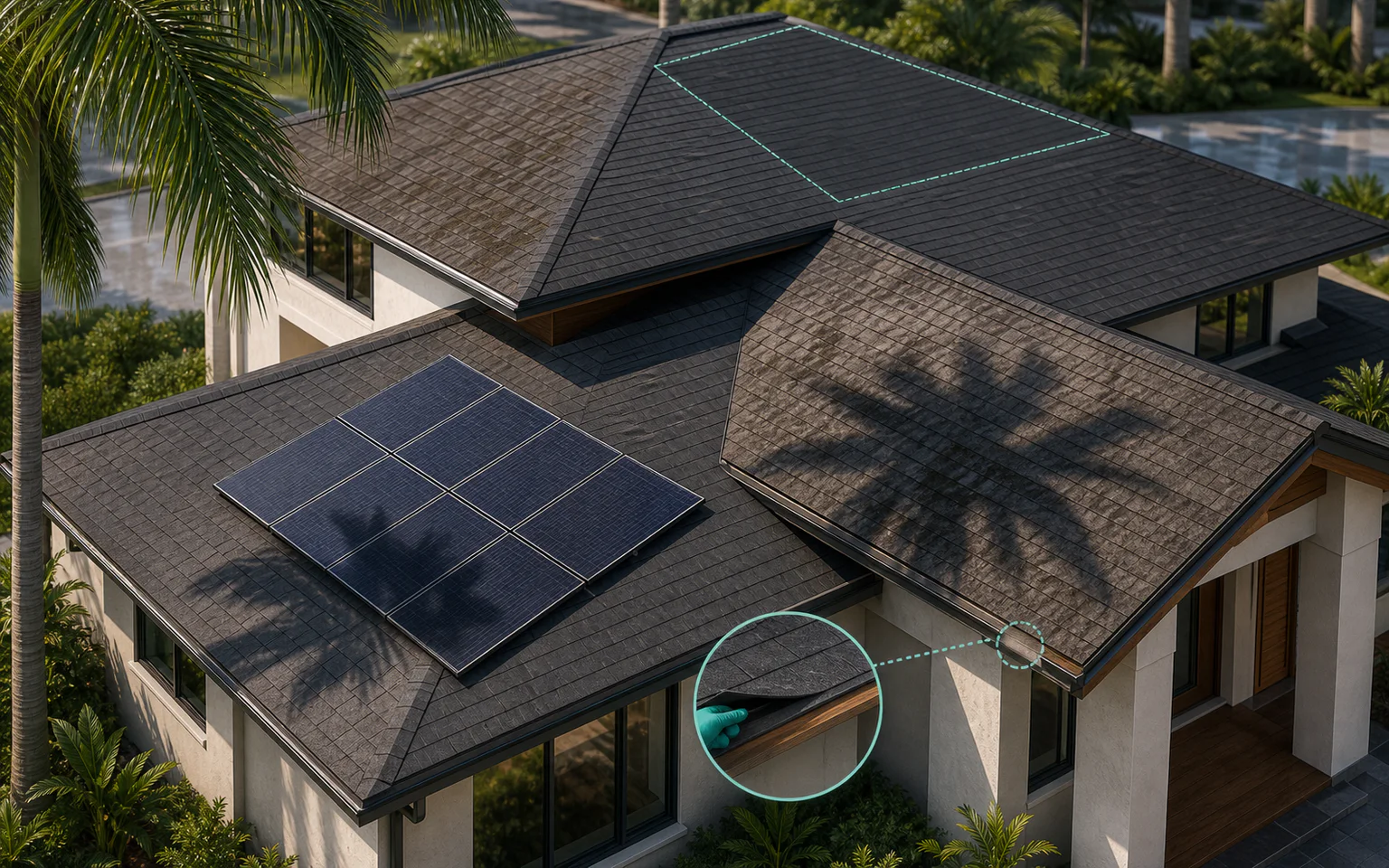
Roof condition should be resolved before final panel layout. If replacement is approaching, combining the schedules can avoid removing and reinstalling an array. Usable roof planes, shade, setbacks and structural conditions determine how much solar fits; annual consumption and utility rules determine how much is useful.
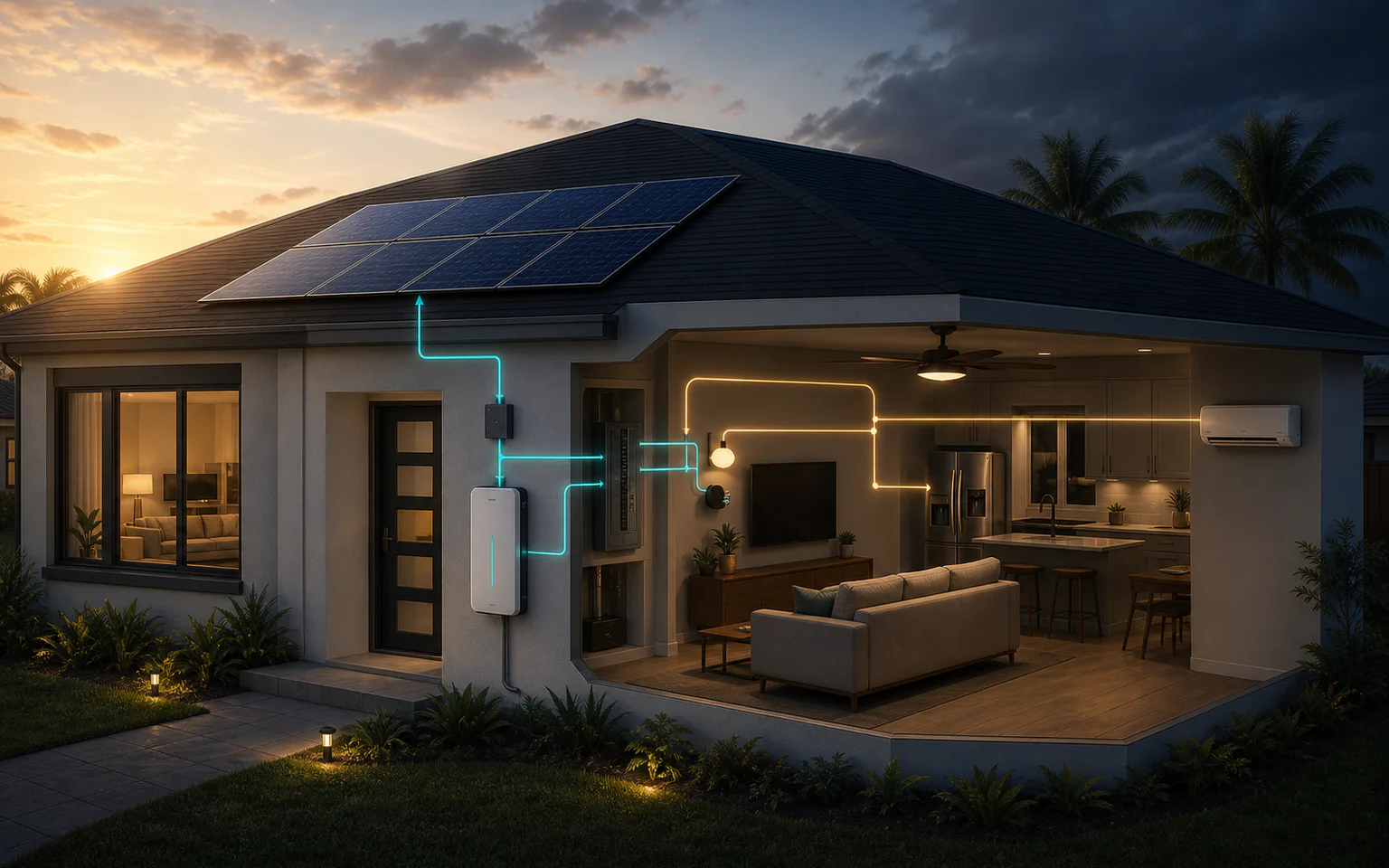
Battery planning requires a separate load discussion. Decide whether the goal is short outage continuity, overnight solar shifting or support for selected critical circuits. Whole-home backup can require substantially more power and energy than keeping refrigeration, communications, lighting and a few outlets available.
Build a phased roadmap
A practical roadmap contains four elements for each phase:
- the problem or goal being addressed;
- the evidence required before design or purchase;
- the projects that depend on that decision; and
- the verification that shows the phase worked.
One property may begin with duct sealing and insulation, then replace a right-sized HVAC system, then address the roof and add solar. Another may need the roof immediately and postpone solar while collecting better load data. A third may prioritize a critical-load battery because outages affect medical or business needs.
Keep uncertainty visible
Preliminary plans are not final engineering. Incentives are not guaranteed. Contractor availability, permits, equipment selections and field conditions can change scope. A strong plan names those uncertainties and updates the sequence when new evidence arrives.
The goal is not to force an all-at-once package. It is to make each project useful on its own while keeping the property ready for the next sensible step.
Use this answer in a whole-property plan
Connect this topic to the planning hub, the primary decision page and the evidence standard that governs the next step.
- Planning hubWhole-home upgrade planning
- Primary decision pageEnergy advisory services
- Methodology and standardsHow BetterPowered uses illustrative scenarios
- Methodology and standardsBetterPowered Contractor Standard
Primary sources
Claims in this article were reviewed against these government and primary sources.
- 01 Home Energy ImprovementsENERGY STAR · August 9, 2026
- 02 Consumer Guide to Home Energy AssessmentsU.S. Department of Energy · August 9, 2026
- 03 A Step-by-Step Guide for Consumers Going SolarU.S. Department of Energy · August 9, 2026