“Heat pump vs. central air” sounds like a choice between two completely different systems. It is not. The U.S. Department of Energy includes both central air conditioners and central heat pumps in the same central-equipment category, and some systems in that category do not use ducts. For this comparison, **heat pump** means a ducted air-source heat pump, while **central air** means a straight-cool central air conditioner paired with a separate source of heat. That definition matters because a heat pump can itself be a central-air system. See the DOE central air conditioner and heat pump overview.
The short answer
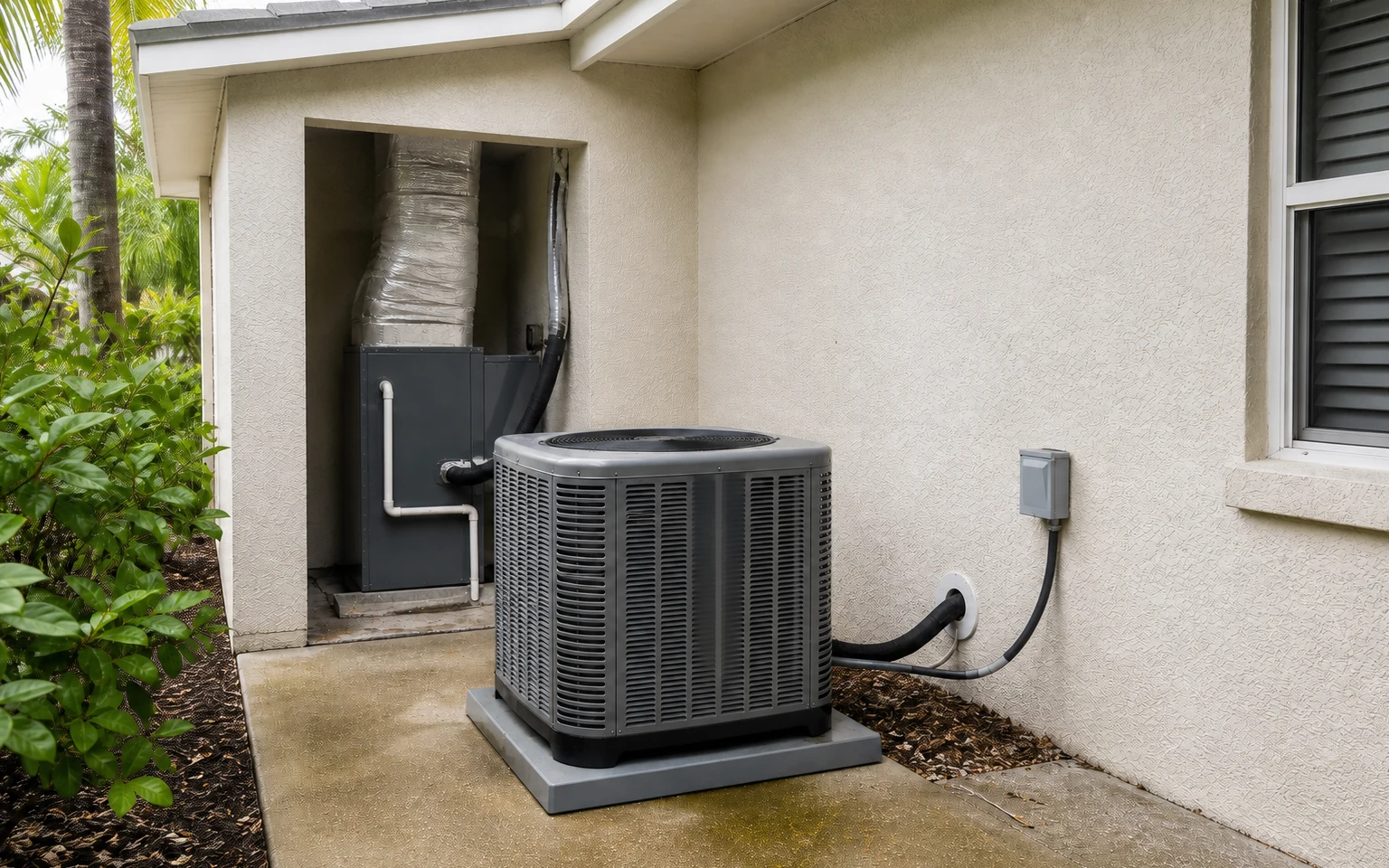
In cooling mode, the two choices are close relatives: both use a refrigeration cycle, an indoor coil, an outdoor unit and air distribution to remove heat from the house. The practical difference appears when the thermostat calls for heat. A heat pump can reverse its refrigeration cycle and move heat into the home; a straight-cool air conditioner cannot, so its proposal must identify a separate heating system. ENERGY STAR describes a ducted air-source heat pump as a central air conditioner that can operate in reverse for whole-home heating in its air-source heat pump guidance.
There is no responsible statewide winner. Florida’s moisture load, the house-specific heating and cooling loads, the existing ducts, the proposed controls and the quality of the installation all affect the result. The equipment name alone does not establish comfort, operating cost or savings.
Side-by-side: what actually changes
| Decision point | Ducted heat pump | Straight-cool central air | | --- | --- | --- | | Summer operation | Moves indoor heat outdoors and cools through the central air-distribution system. | Moves indoor heat outdoors and cools through the central air-distribution system. | | Heating operation | Reverses the refrigeration cycle to provide space heat; the design may also specify a separate backup heat source and control sequence. | Provides no heating through the outdoor cooling unit; heat must come from a separate system identified in the proposal. | | Existing ducts | Can use a compatible central duct system. | Uses a central duct system. | | Design work | Requires a house-specific load calculation, equipment selection and duct/airflow review. | Requires the same house-specific load calculation, equipment selection and duct/airflow review. | | Humidity performance | Depends on cooling capacity, run behavior, airflow, controls and installation—not the word “heat pump.” | Depends on the same cooling-side design and installation factors—not the word “air conditioner.” |
The DOE home-cooling explainer shows the basic central cooling components. The important comparison is therefore not “new technology versus old technology.” It is one reversible system versus a cooling-only system plus a defined heating method.
Florida changes the design priorities
The Florida Climate Center, the state climate office, explains that Florida carries substantial atmospheric moisture and that dew point is a better measure of that moisture than relative humidity alone. Its Florida humidity report is a useful reason to keep moisture removal in the decision rather than comparing only a headline efficiency rating.
Neither configuration automatically controls humidity well. DOE research notes that oversizing air conditioners **and** heat pumps can raise summer indoor humidity because the equipment does not operate in a way that matches the load. See DOE’s HVAC sizing research summary. In practice, ask how the selected capacity, blower setup and stages or variable capacity will respond during both peak conditions and lighter, humid conditions. The answer should refer to the proposed equipment and the calculated load, not a rule based only on floor area.
Florida is also not one uniform winter design condition. A proposal for the reversible option should state what provides heat at the local winter design condition, whether any backup source is included and how the thermostat stages it. A proposal for straight-cool central air should state exactly what will heat the home after the cooling equipment is installed. ENERGY STAR specifically advises contractors to size the heat pump and consider its integration with backup heat in its consumer guidance.
Size the house, then select the equipment
A prior system’s nominal tonnage is not a new load calculation. ACCA describes Manual J as the residential method for calculating heating and cooling loads. Those loads reflect the actual house: windows, orientation, insulation, infiltration, design weather and duct conditions all belong in the analysis.
The next steps are separate. ACCA’s technical manual overview explains that Manual S uses the local climate, construction details and manufacturer performance data to select equipment, while Manual D addresses the duct system, blower interaction, pressure losses and airflow. A credible comparison should therefore use the same Manual J assumptions for both options and show how each proposed indoor/outdoor combination satisfies that load.
Florida’s own building commission says residential replacement sizing calculations are provided at permit and explains why the indoor and outdoor components must be compatible. Review the Florida Building Commission HVAC questions and answers, then confirm the current requirements with the contractor and the local building official for the specific project.
The ducts do not become neutral just because the outdoor unit changes
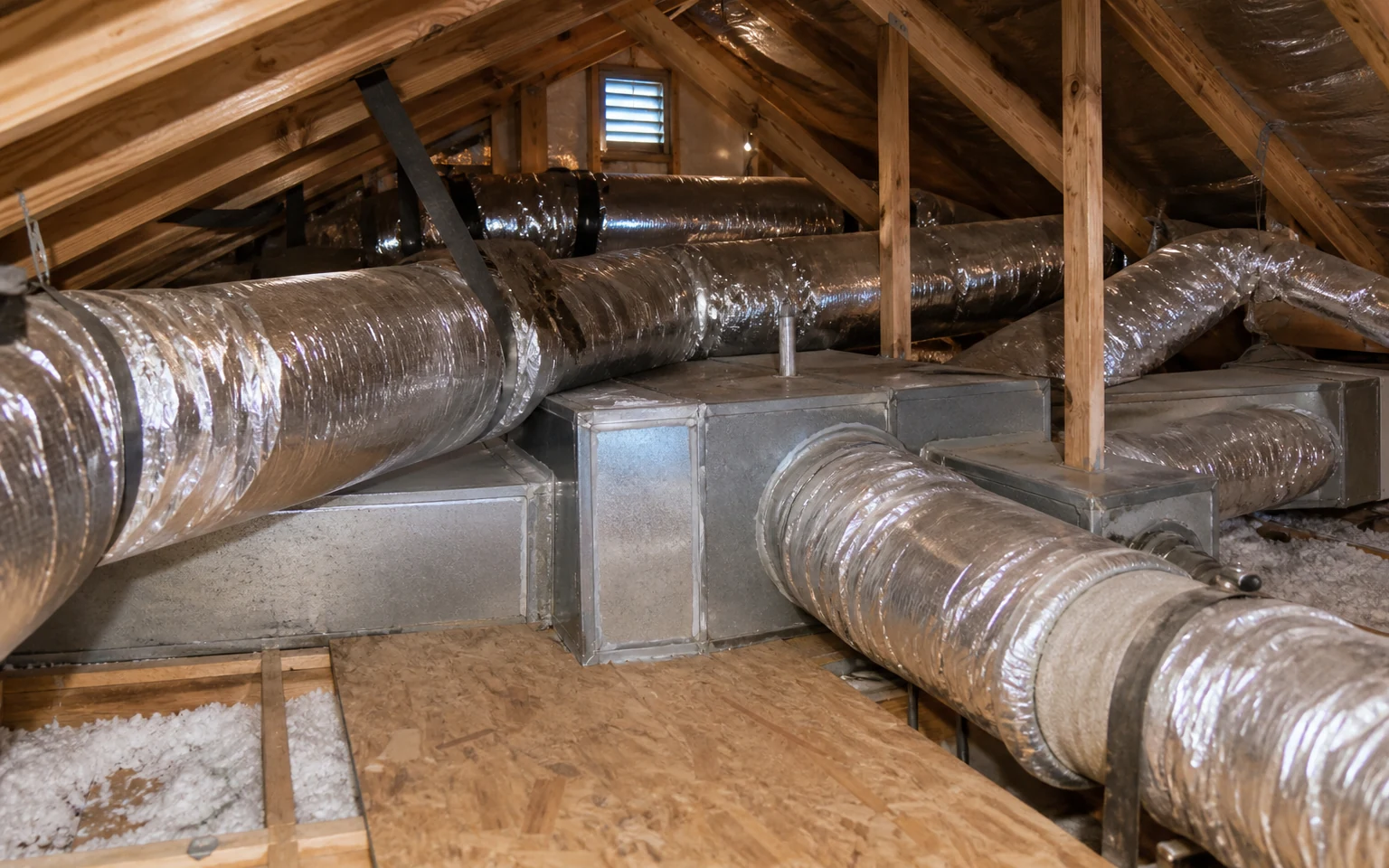
A ducted heat pump and straight-cool central air can both inherit the same supply restrictions, return-air problems, leakage and room-to-room imbalance. Replacing the outdoor unit does not repair those conditions. DOE Building Science Education says ducts in unconditioned space should be sealed and insulated to reduce air leakage and conduction, and explains that a vapor barrier on metal-duct insulation can help prevent condensation. See HVAC sealed and insulated metal ducts.
Before comparing equipment, document where the ducts run, their condition, available return paths, filter and coil pressure drop, and whether the blower can deliver the required airflow against the actual system resistance. If the duct system needs repair or redesign, put that work in both proposals. Our measurement-first duct-sealing checklist explains how to keep that scope separate from assumptions about the new box.
Comfort is a system result, not a badge
Cooling comfort depends on temperature, moisture removal, airflow and room-by-room distribution. Heating comfort depends on the same distribution system plus the heating output and controls. A higher efficiency label does not correct an oversized selection, a mismatched indoor/outdoor combination, a restrictive return, a poor blower setup or a leaky attic duct.
DOE’s federal purchasing guidance identifies oversizing, improper refrigerant charge and leaky ducts as installation problems that can reduce performance and comfort. Although that page is written for federal buyers, the installation principles are useful questions for any proposal; see DOE guidance for residential central air conditioners. Ask for documented commissioning results that correspond to the equipment and scope being installed rather than a promise that a system type will solve every comfort complaint.
What a comparable proposal should show
Ask each bidder to put the same decision inputs in writing:
- the Manual J heating and cooling loads and the assumptions used;
- the Manual S selection using published performance for the actual indoor/outdoor combination;
- the complete heating method, including any backup source and its control sequence;
- the duct and airflow scope, including any Manual D changes, leakage repairs or return-air work;
- the blower and thermostat configuration for cooling, heating and lower-load operation;
- the permitted matched equipment, refrigerant, electrical and condensate scope;
- the commissioning measurements that will be recorded at startup; and
- warranty, maintenance and filter requirements for the exact equipment.
Do not compare a complete heat-pump scope with an air-conditioner quote that leaves the heating source, duct work or controls undefined. Do not compare projected operating cost unless both projections use the same house load, current utility rates, heating method, thermostat assumptions and maintenance scope. This article supplies no price or savings estimate because those inputs are property- and proposal-specific.
When each configuration can make sense
A ducted heat pump directly matches a project whose goal is one electric refrigeration system for both cooling and heating, provided the load calculation, equipment performance, ducts and backup strategy—if one is proposed—are documented. Straight-cool central air is a coherent scope when a separate heating system will remain and the proposal clearly shows how the two systems work together. ENERGY STAR also describes a dual-fuel configuration in which a heat pump is paired with an existing furnace; that is a third control strategy, not proof that either main option is universally better.
If the house has no usable ducts or only one area needs conditioning, a ductless heat pump may be a different project altogether. Keep it outside a ducted one-versus-one comparison unless both bidders are pricing the same rooms, loads and distribution outcome.
A safety boundary for the comparison
Homeowners can compare documents and operating sequences without opening equipment. Refrigerant-circuit service, repair and disposal are regulated work: the EPA explains when technicians need Section 608 certification on its technician certification page. Leave refrigerant connections and live electrical compartments to appropriately qualified professionals, and use the permit and inspection process required for the property.
The better decision sequence
First define what “central air” means in each quote. Then verify the load calculation, matched equipment, heating method, ducts, controls and commissioning plan. Only after those items align should you compare ratings and site-specific operating estimates.
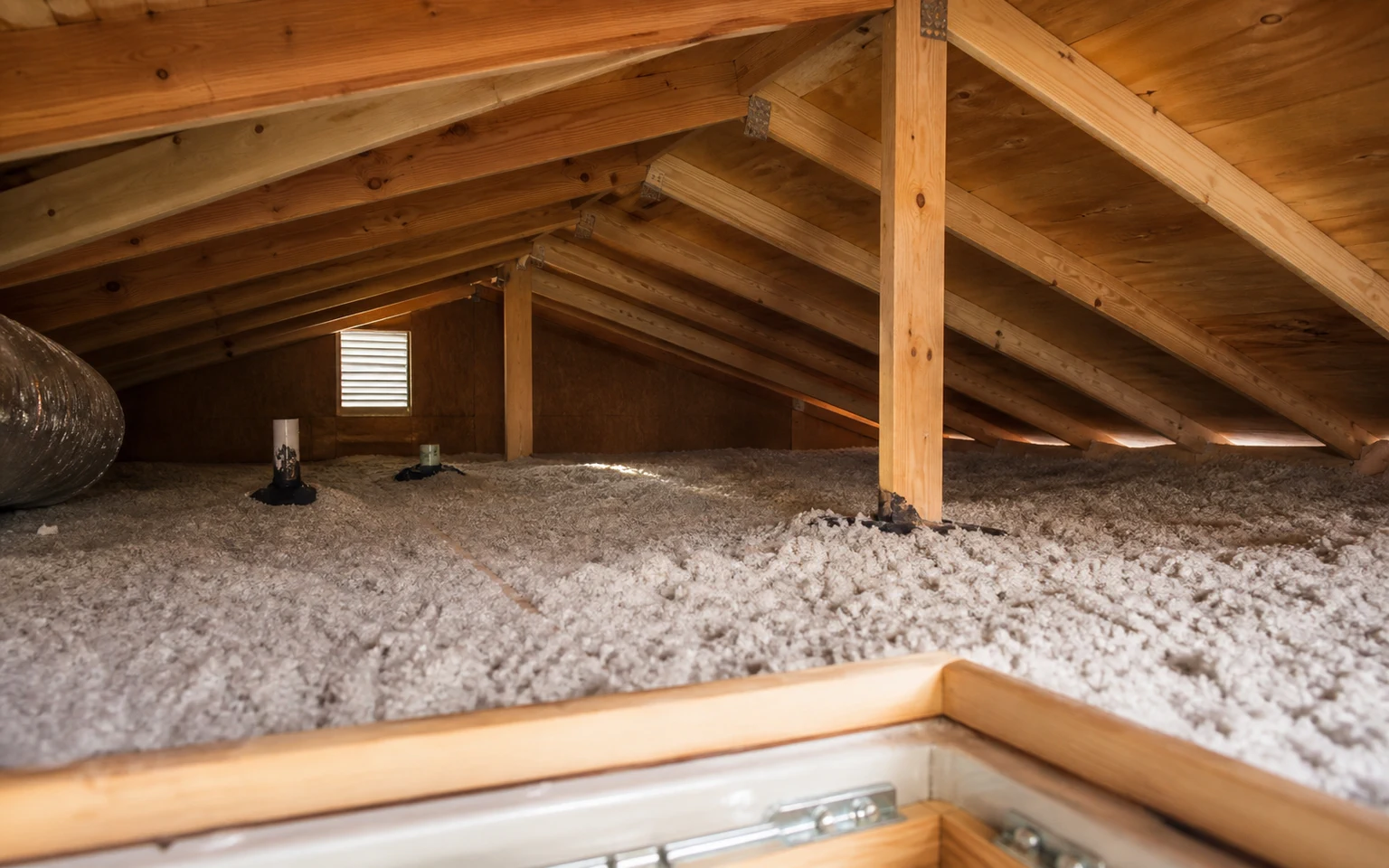
For the larger replacement sequence, read how to replace HVAC without repeating the old problem. If attic conditions are part of the load or duct problem, coordinate them with the guidance in attic insulation for hot-humid Florida homes. The durable choice is the documented system that fits the house—not the category name that wins a generic debate.
Use this answer in a whole-property plan
Connect this topic to the planning hub, the primary decision page and the evidence standard that governs the next step.
- Planning hubWhole-home upgrade planning
- Primary decision pageEnergy advisory services
- Methodology and standardsHow BetterPowered uses illustrative scenarios
- Methodology and standardsBetterPowered Contractor Standard
Primary sources
Claims in this article were reviewed against these government and primary sources.
- 01 Consumer Central Air Conditioners and Heat PumpsU.S. Department of Energy · August 13, 2026
- 02 Air-Source Heat PumpsU.S. Environmental Protection Agency ENERGY STAR · August 13, 2026
- 03 Energy Saver 101: Home Cooling InfographicU.S. Department of Energy · August 13, 2026
- 04 Humidity in FloridaFlorida Climate Center, Office of the State Climatologist · August 13, 2026
- 05 HVAC Sizing ResearchU.S. Department of Energy · August 13, 2026
- 06 Manual J Residential Load CalculationAir Conditioning Contractors of America · August 13, 2026
- 07 ACCA Technical ManualsAir Conditioning Contractors of America · August 13, 2026
- 08 Manual D Residential Duct DesignAir Conditioning Contractors of America · August 13, 2026
- 09 Florida Building Commission Air Conditioning Questions and AnswersFlorida Building Commission · August 13, 2026
- 10 HVAC Sealed and Insulated Metal DuctsU.S. Department of Energy Building Science Education · August 13, 2026
- 11 Purchasing Energy-Efficient Residential Central Air ConditionersU.S. Department of Energy · August 13, 2026
- 12 Section 608 Technician CertificationU.S. Environmental Protection Agency · August 13, 2026