
Portable power stations
From a compact weekend companion to a wheeled power station.
2 models
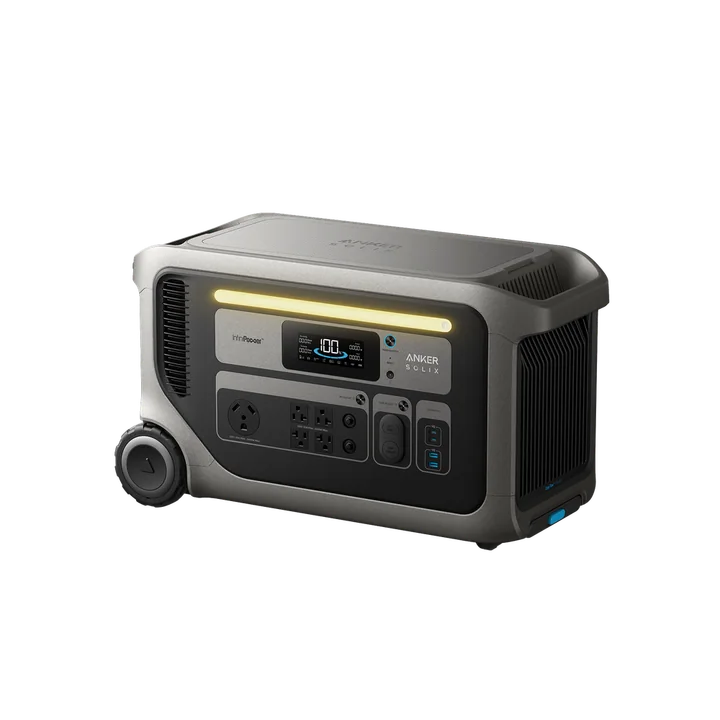
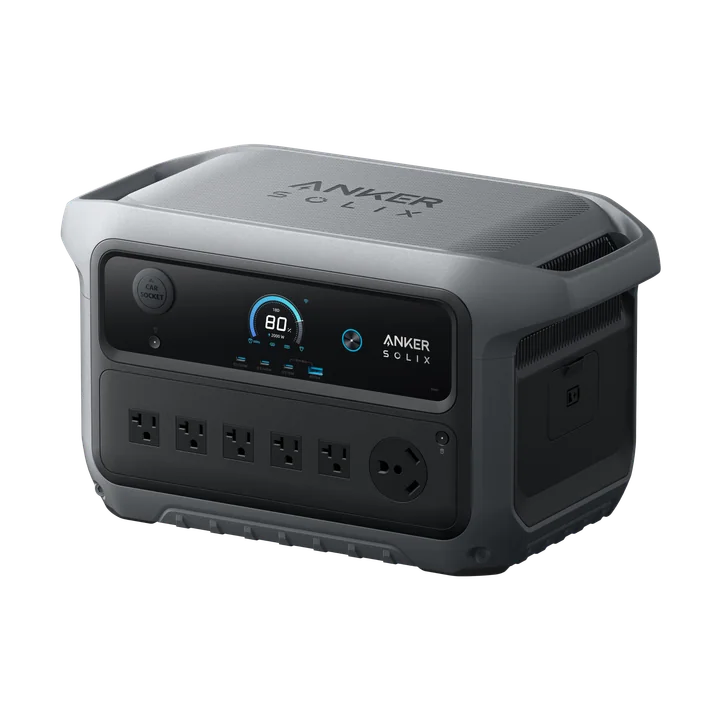
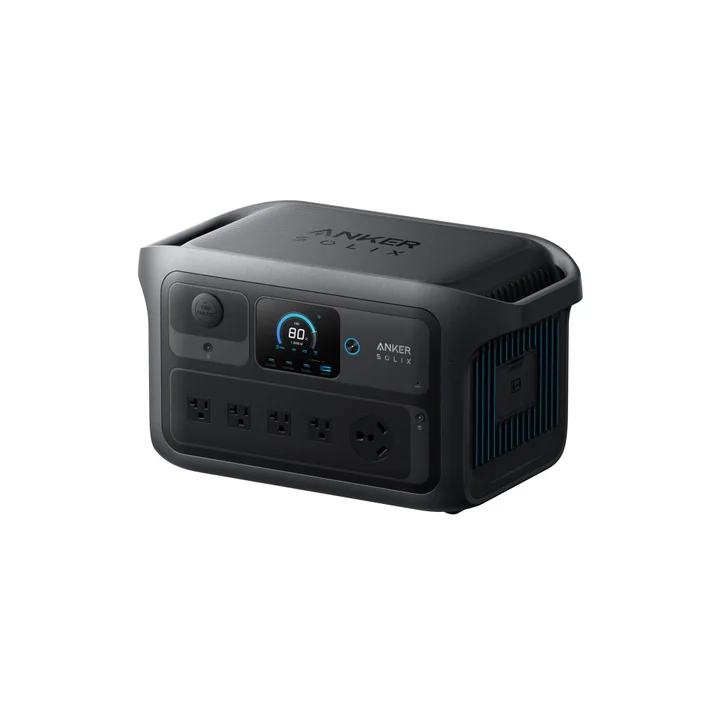
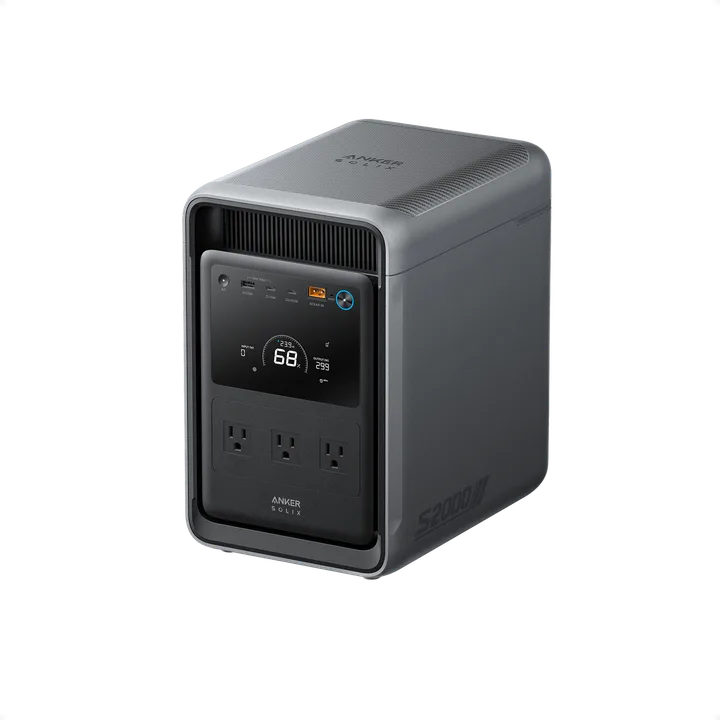
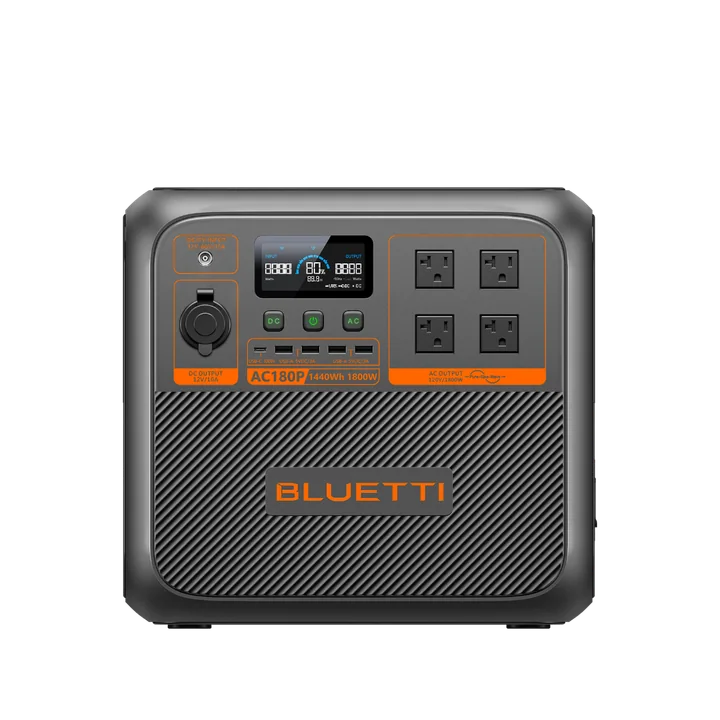
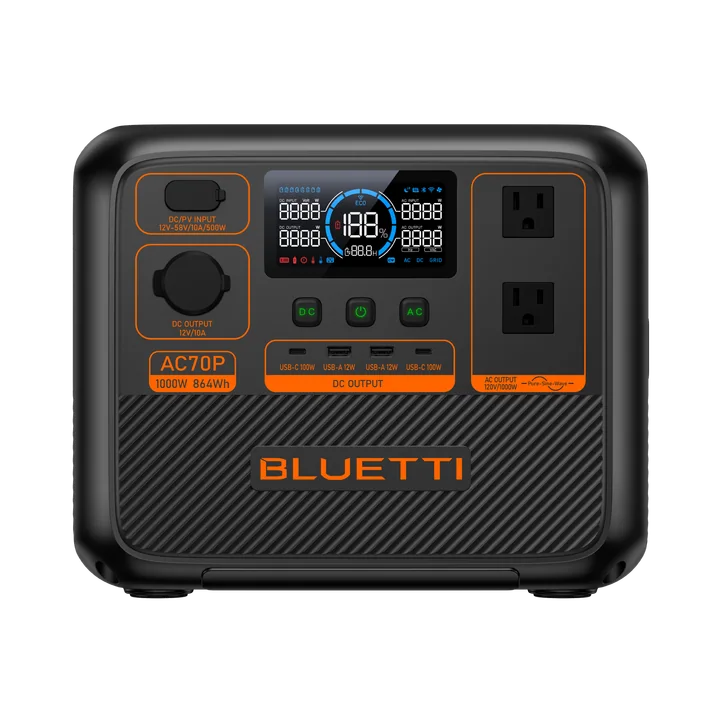
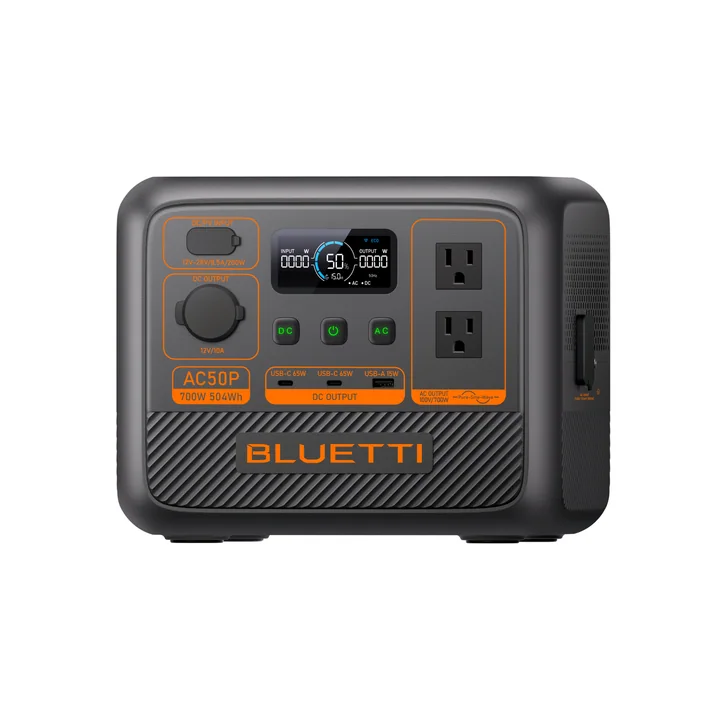
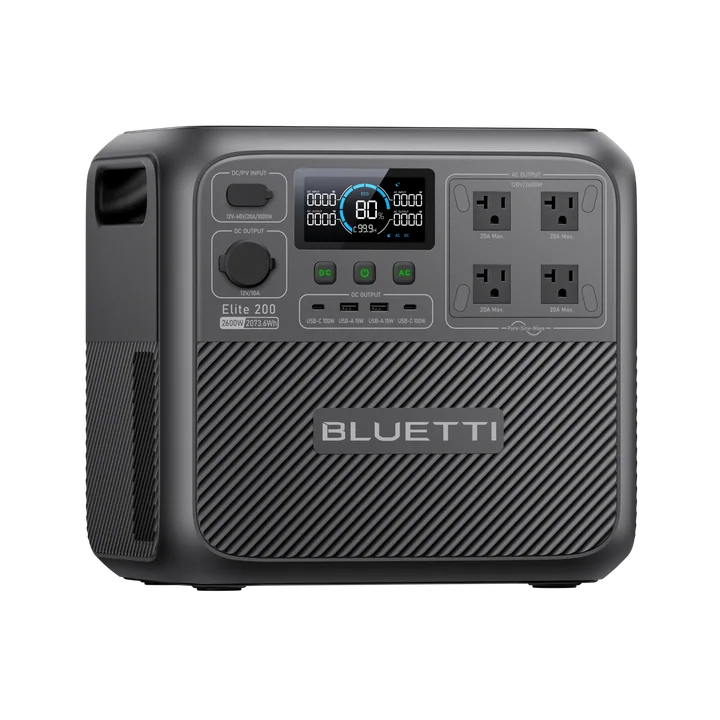
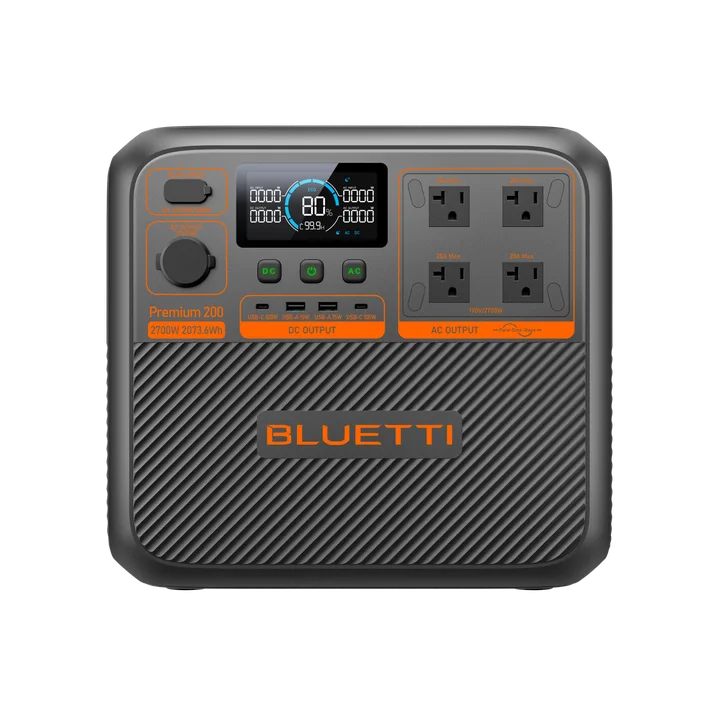
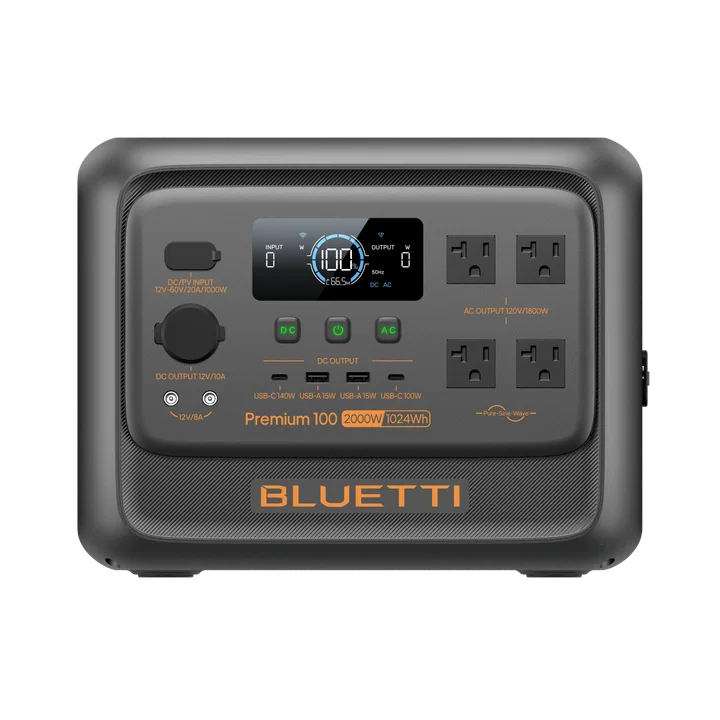
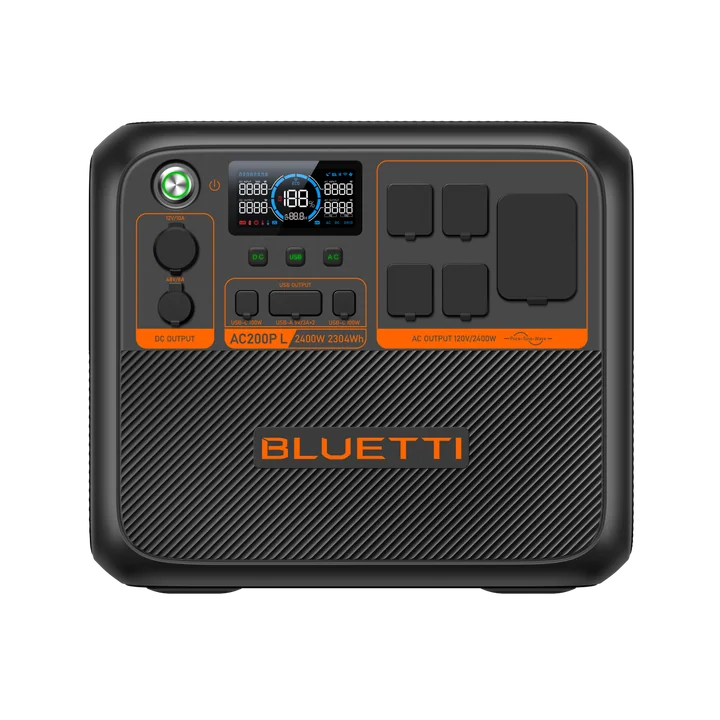
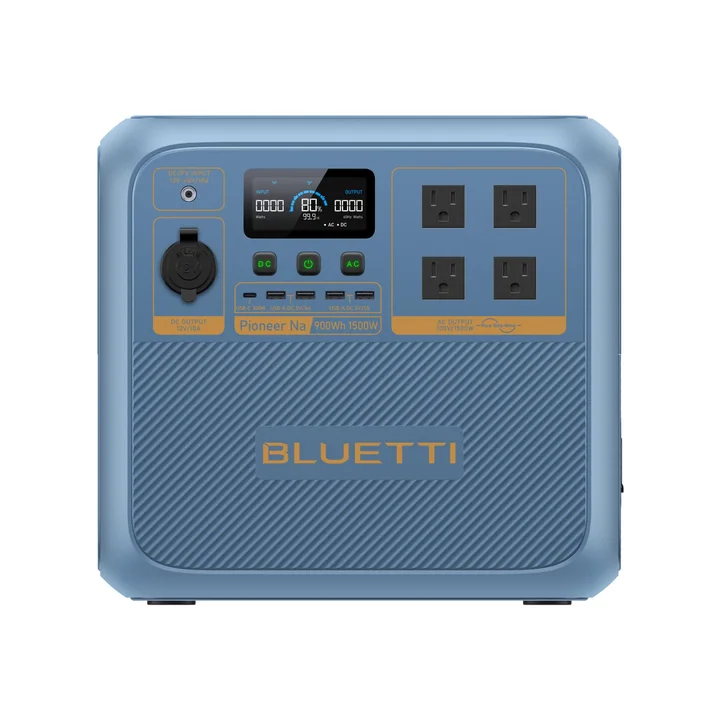
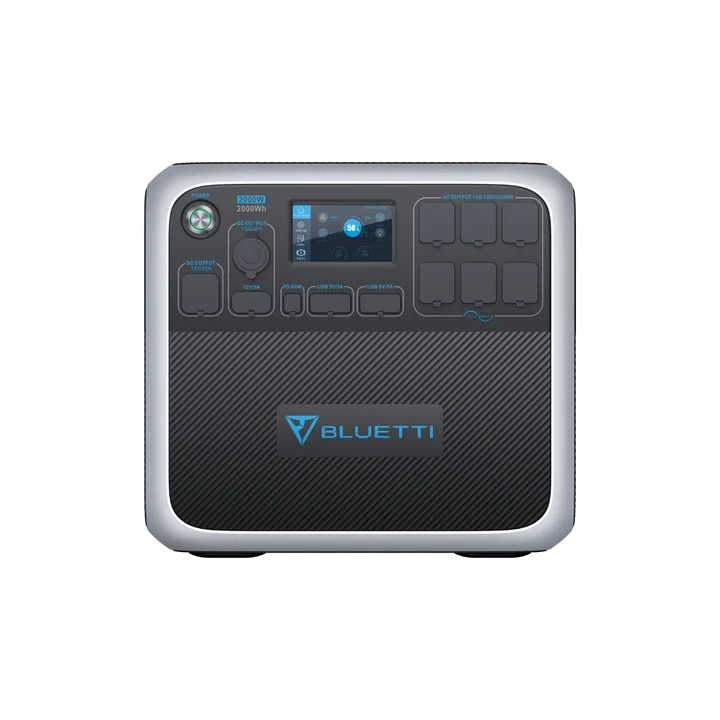
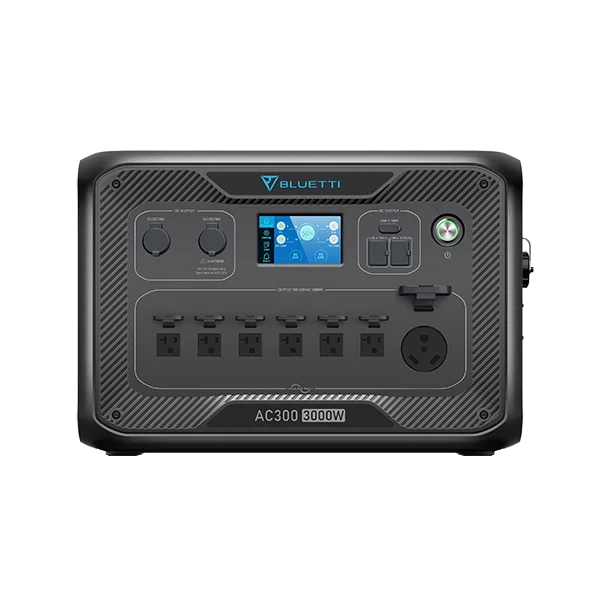
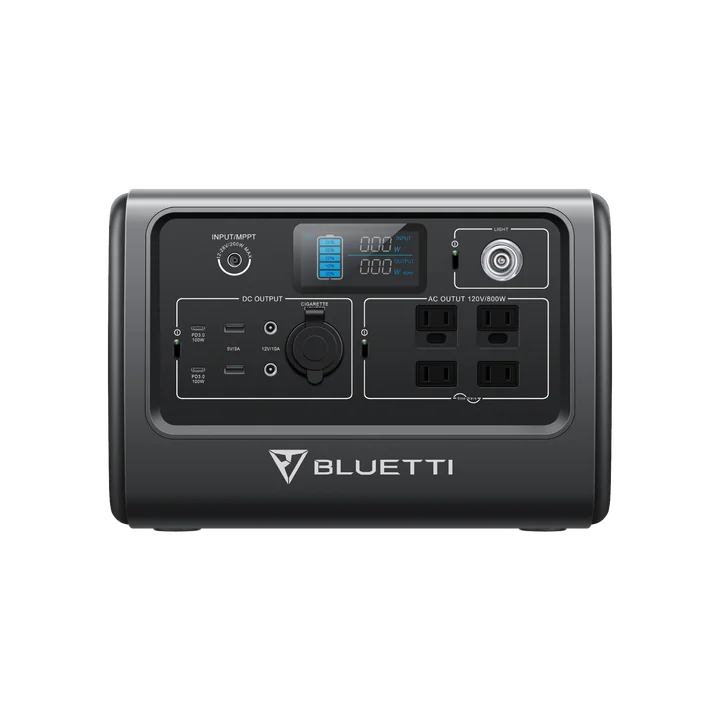
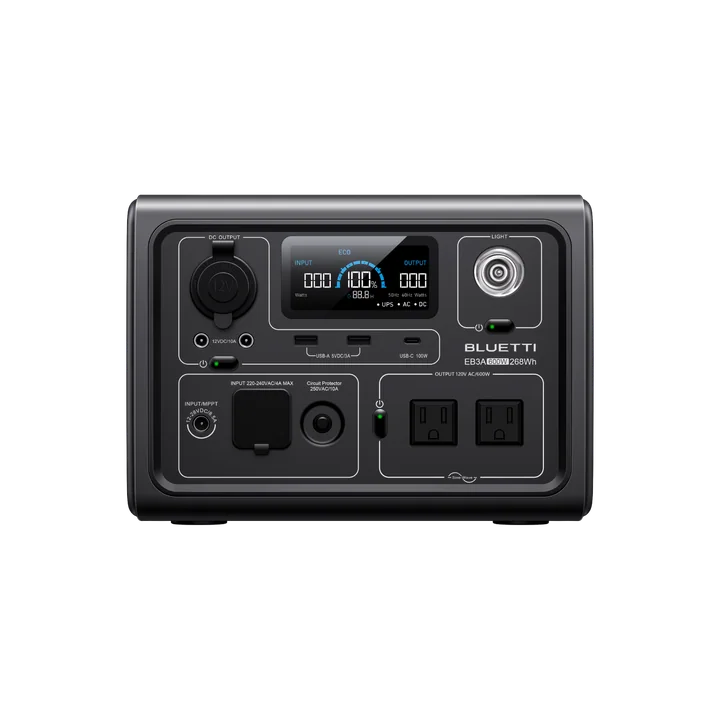
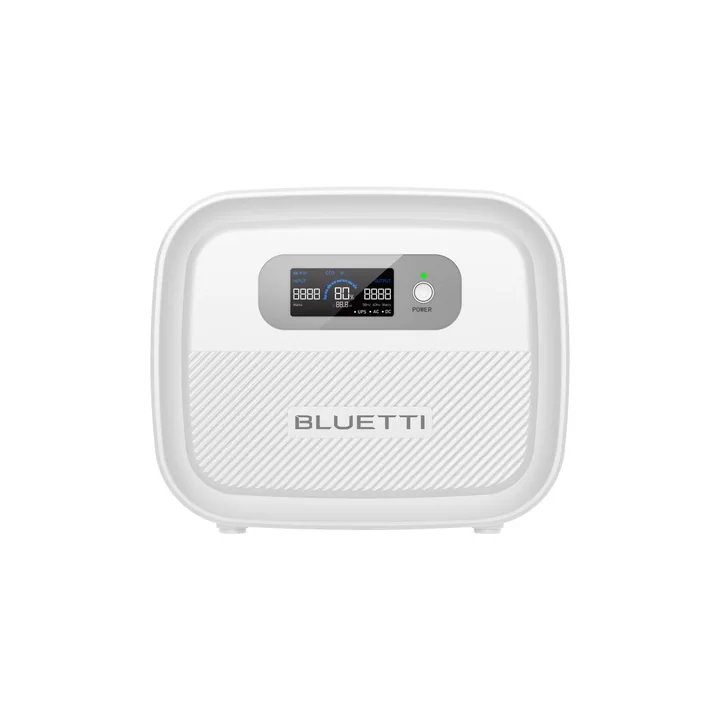
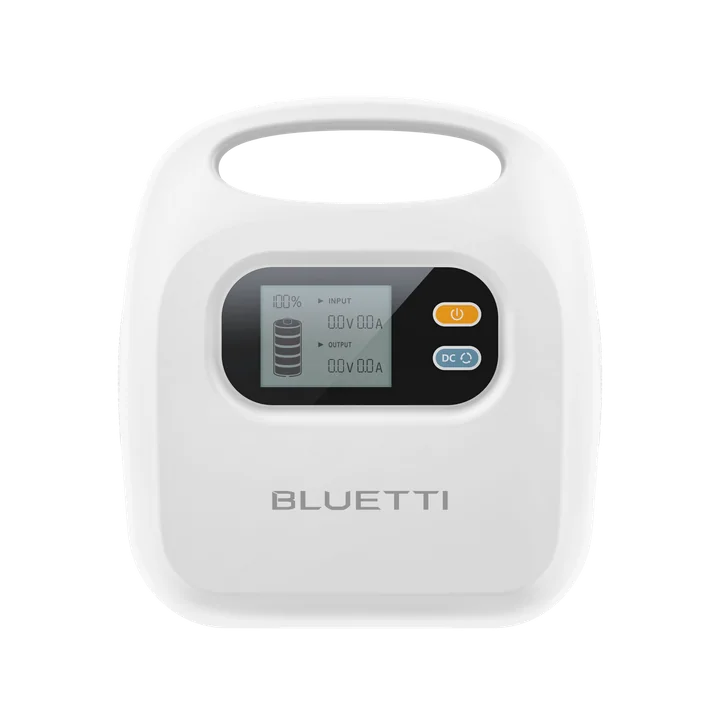
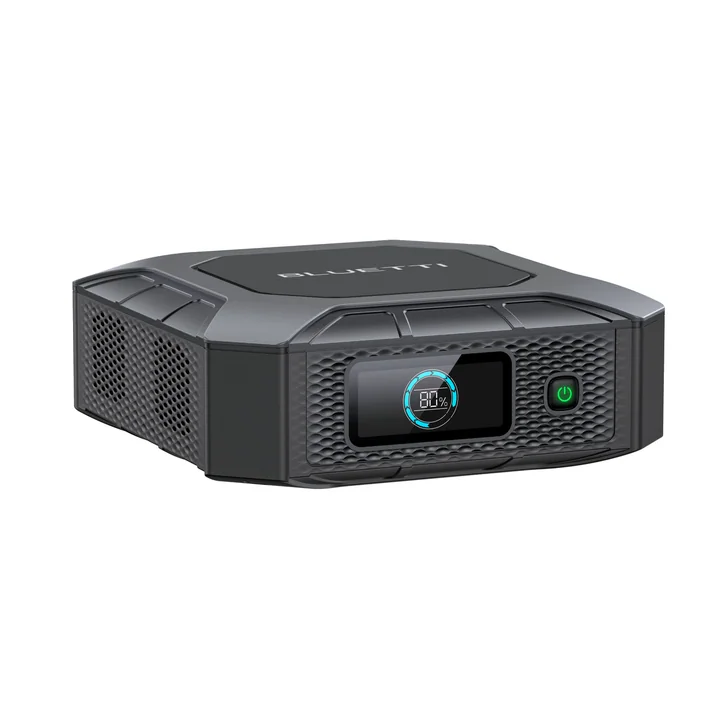

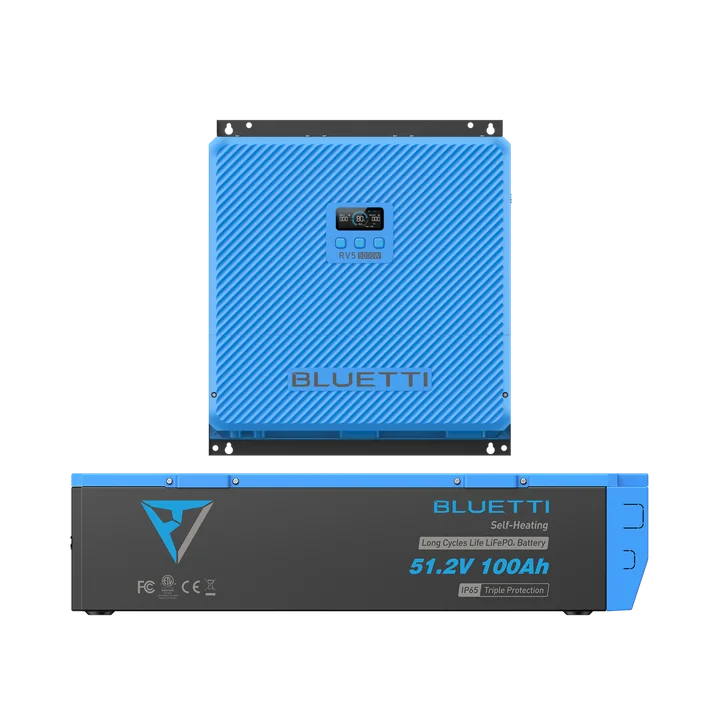
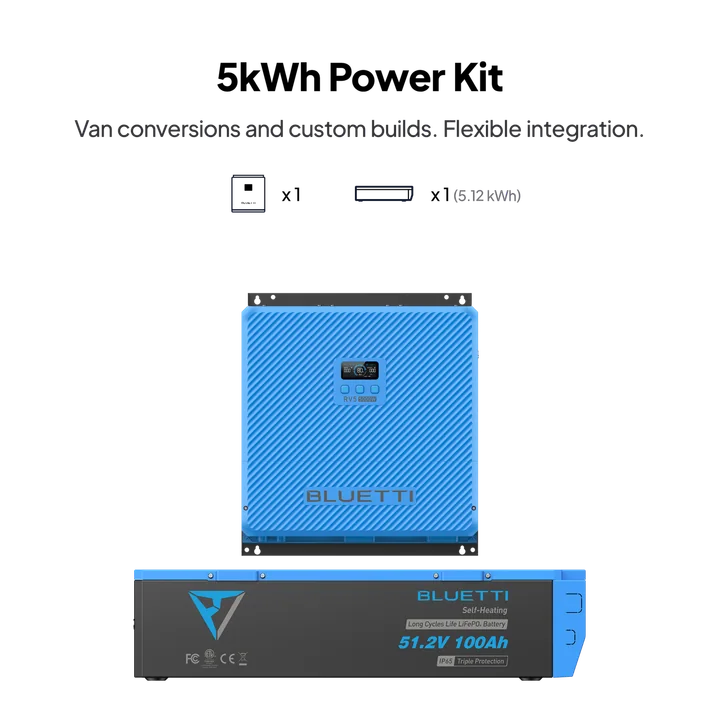
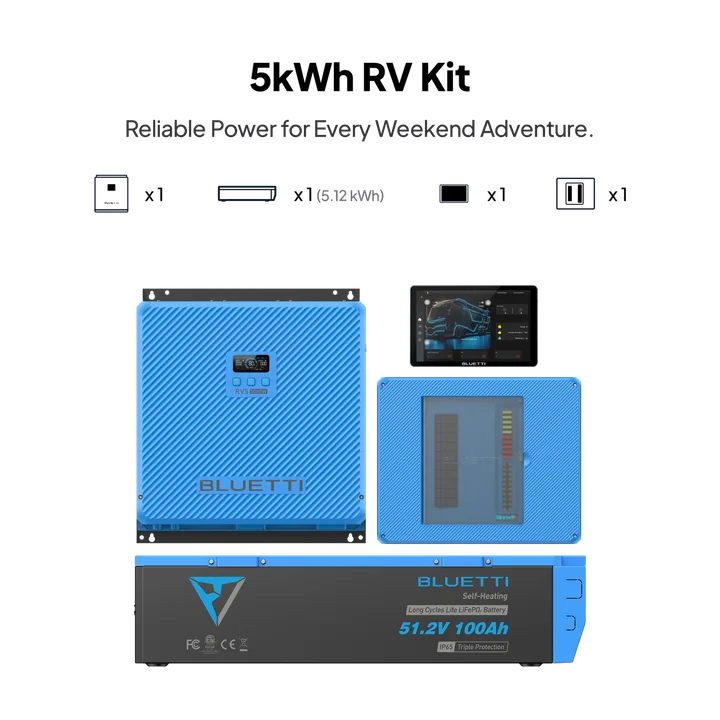
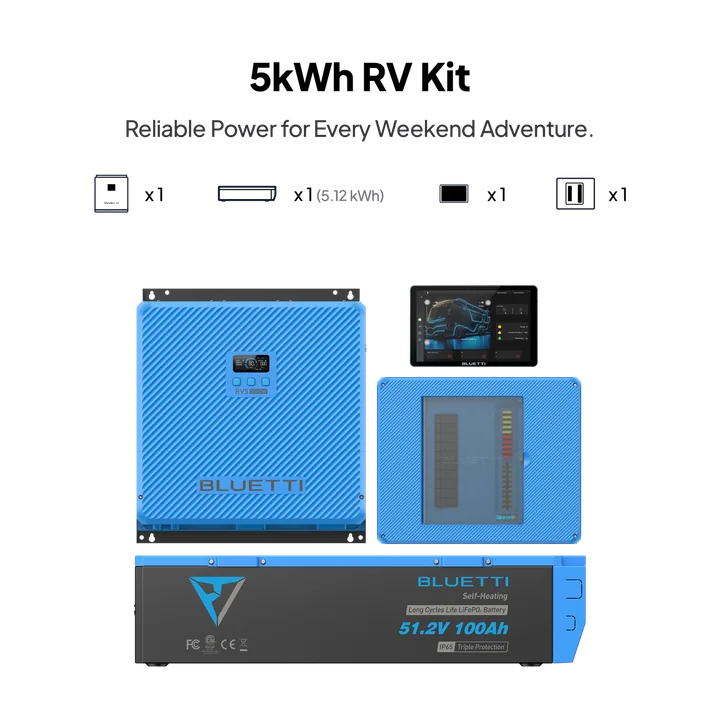
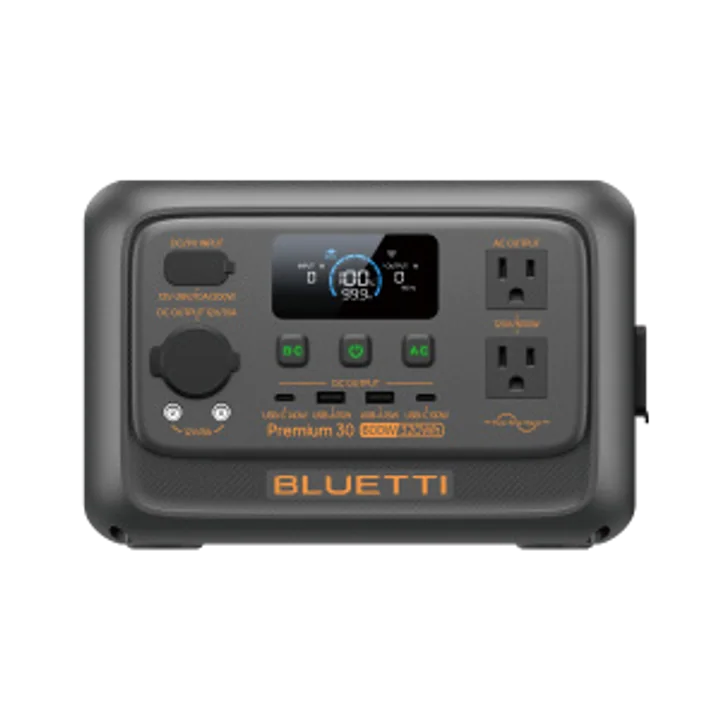
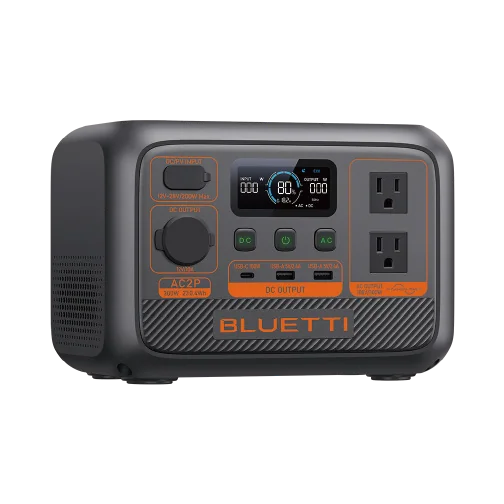
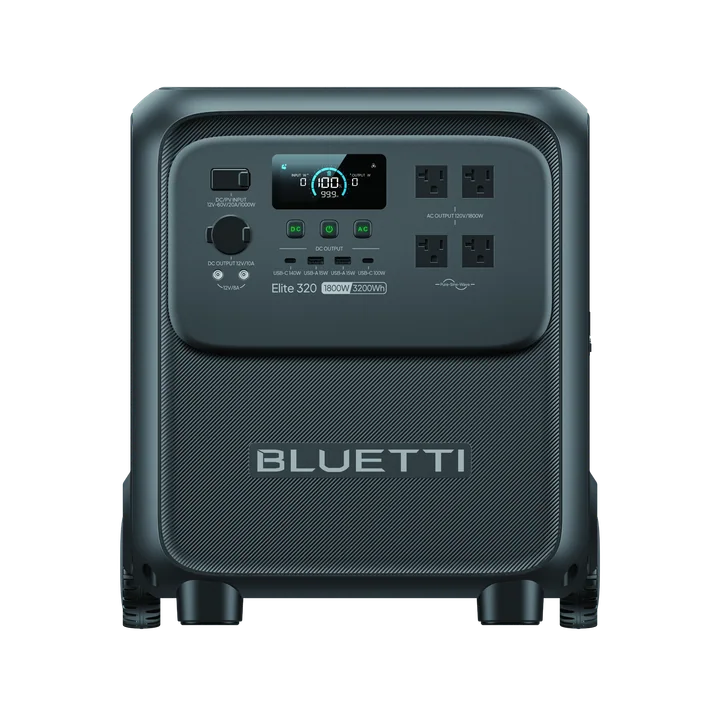
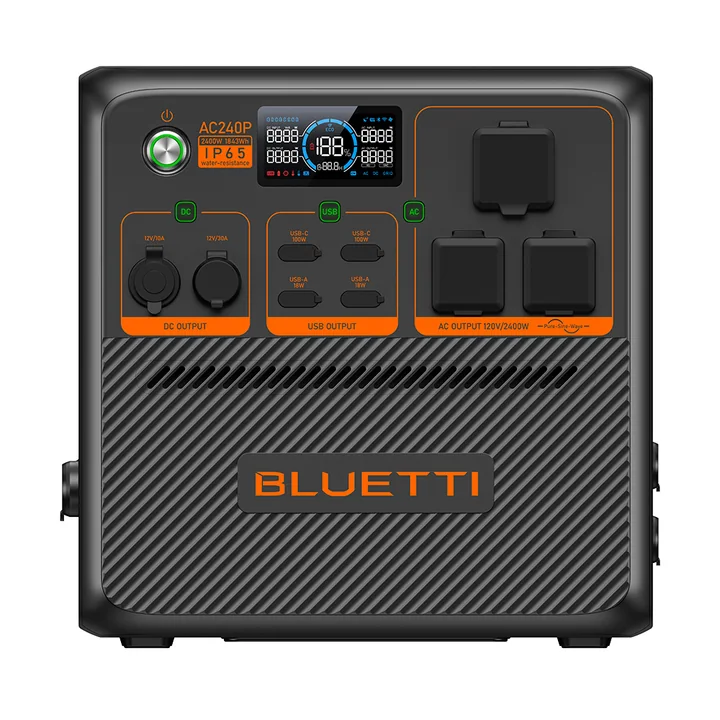
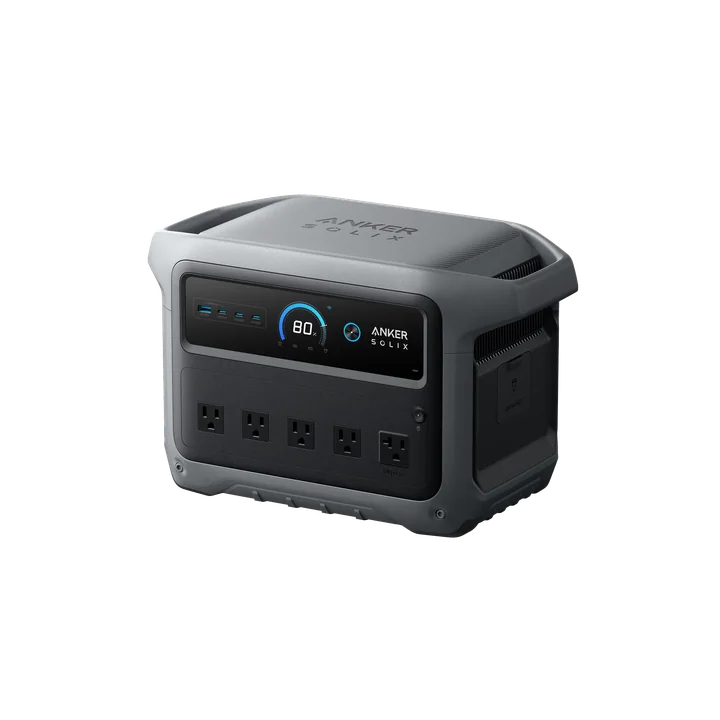
No products found
Try another model name or explore all products.
How to choose a portable power station
Capacity in watt-hours (Wh) tells you how long a station can run your devices; continuous output in watts (W) tells you what it can run at once. For example, a 1,000 Wh station running a 100 W load lasts roughly 8 to 9 hours once conversion losses are counted.
Weight and wheels matter if you move it often. The ways it recharges (wall outlet, car, solar panels or a generator) decide how you refill it during a longer outage.
- The devices you need and their watts.
- Hours of use per day.
- Outlets: AC, USB-C, car port and any 240 V or RV outlet.
- Solar input limits if you plan to recharge with panels.
- Battery chemistry: LFP (LiFePO4) batteries are designed for many charge cycles.
Choose with more clarity.
What is a portable power station?
It is a rechargeable battery with outputs for compatible devices. Compare nominal capacity in watt-hours, continuous output in watts, available outlets and weight. Those specifications answer different questions; capacity alone is not an appliance-runtime estimate.
What is a solar generator?
The term often describes a battery power station used with solar panels. The station stores energy; a compatible panel provides one way to recharge it. A station sold alone does not include panels; some listings are packages with a station and panels. Check what each product includes.
Can a power station run my refrigerator?
That depends on the refrigerator’s operating and starting demand, the station’s output limits and the backup duration you need. Compare exact equipment data and use the guide to record your priorities. Confirm running watts, starting demand and connection compatibility before choosing equipment.
How do I choose a power station for a power outage?
List the devices you must keep running and how many hours you need. Add up their running watts and check the largest starting demand against the station’s continuous output; then compare the energy you need with its capacity in watt-hours. The battery backup calculator does this with your own loads. A station powers what is plugged into it; feeding home circuits needs transfer equipment installed by an electrician.
What is a LiFePO4 power station?
LiFePO4, also written LFP, is lithium iron phosphate: the battery chemistry of the station. Each product page lists the chemistry and the cycle life its manufacturer publishes. Compare those figures together with capacity, output and weight; the chemistry name alone does not tell you how long a station will run your devices.
Which battery do I need?
Choose what you want to keep on and for how many days. The calculator balances your usage hour by hour against the battery, the sun or a generator, at today’s prices.